Best Time to Visit Biscayne National Park
OctoberBest month to visit
Find places to stay →Our recommendation
Visit Biscayne in October
October offers best overall balance of crowds, weather and daylight. For comparison, July is the most crowded month (~1.2× the average month) and October is the quietest.
Annual visits
487K
2025
Busiest month
Jul
1.2× avg
Quietest month
Oct
0.7× avg
10-yr trend
rising
+17.1%
More photos of Biscayne
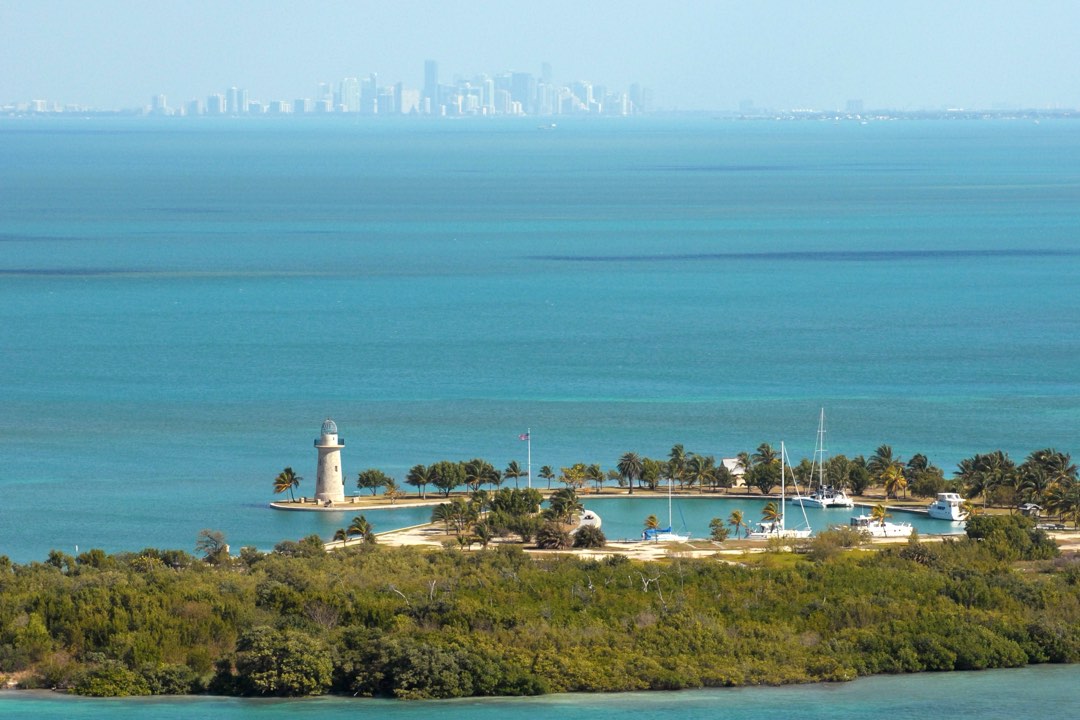
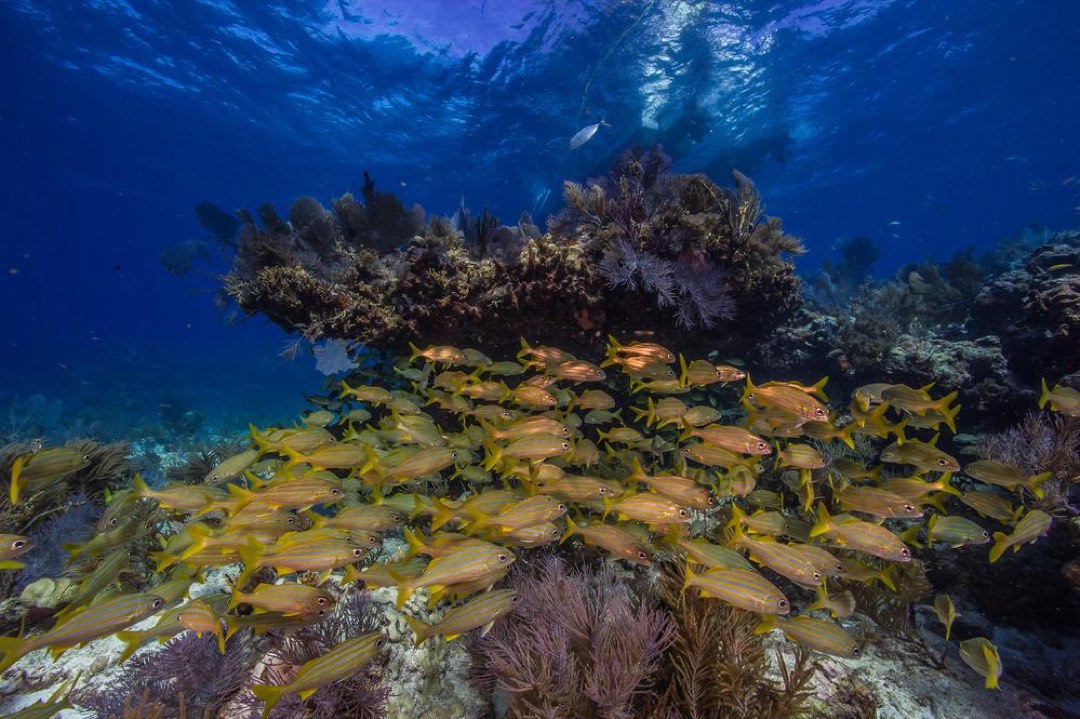
Photos courtesy of the National Park Service (public domain).
How crowded is Biscayne by month?
Relative crowd level by month (1.0 = the park's average month), from NPS visitation records 1979–2025.
Month-by-month crowd, weather & daylight
| Month | Crowd level | Best-time score | Daylight |
|---|---|---|---|
| January | Average | 43 Poor | 10.6 h |
| February | Average | 30 Poor | 11.1 h |
| March | Average | 30 Poor | 11.8 h |
| April | Average | 39 Poor | 12.6 h |
| May | Busy | 18 Poor | 13.2 h |
| June | Average | 41 Poor | 13.6 h |
| July | Busy | 18 Poor | 13.4 h |
| August | Average | 53 Fair | 12.9 h |
| September | Quiet | 66 Good | 12.1 h |
| October★ best | Quiet | 84 Excellent | 11.4 h |
| November | Quiet | 64 Good | 10.7 h |
| December | Average | 51 Fair | 10.4 h |
Email me when Biscayne's crowd forecast updates
Get an email when new NPS visitation data changes the best time to visit Biscayne or its month-by-month crowd levels. No spam, unsubscribe anytime.
About visiting Biscayne
Biscayne National Park is a National Park in FL and a moderately visited park, drawing about 487,000 recreation visits in 2025. Visitation has climbed over the past decade, up roughly 17.1%, so crowds are trending heavier each year. Crowds concentrate sharply by season: July is the busiest month at about 1.2× the park's average month, while October is the calmest at roughly 0.7× — a 2-to-1 swing between high and low season. Roughly 27% of the year's visitors arrive in the three summer months of June, July and August alone, so timing a trip outside that window is the single biggest lever on how crowded the park feels. If avoiding people matters most, October offers the thinnest crowds of the year, though you'll trade some warmth and daylight for the solitude. Daylight ranges from about 10.4 hours in midwinter to 13.6 hours near the summer solstice, which shapes how much ground you can cover in a day. These crowd figures are drawn from 1979–2025 of National Park Service visitor-use records, and are updated as new monthly data is released.
Park overview
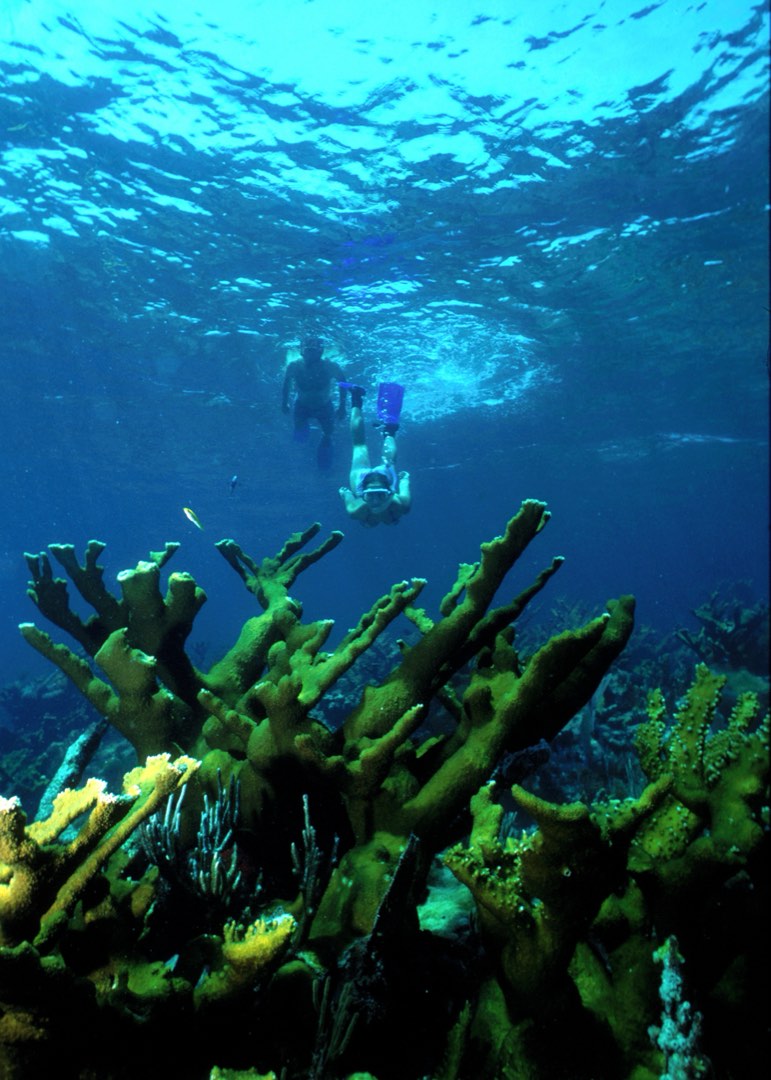
Within sight of Miami, yet worlds away, Biscayne protects a rare combination of aquamarine waters, emerald islands, and fish-bejeweled coral reefs. Evidence of 10,000 years of human history is here too; from prehistoric tribes to shipwrecks, and pineapple farmers to presidents. For many, the park is a boating, fishing, and diving destination, while others enjoy a warm breeze and peaceful scenery.
Weather & conditions
The park is situated in a subtropical climate, which ensures sunshine year-round. Winters are normally dry and mild, with occasional fronts bringing wind and little rain. Summer brings hot and humid weather with scattered thunderstorms in the afternoons. The average temperature in January is 68 degrees Fahrenheit and 82 in July. The average rainfall for the area is 2.17 inches in January and 3.95 inches in July. June to November is hurricane season.
Park overview text courtesy of the National Park Service — official park site.
Where to stay near Biscayne
Hotels, cabins, lodges and vacation rentals near Biscayne National Park — live availability and prices to plan your trip. October is our pick for the best balance of light crowds and good weather. Full lodging guide: when to book, gateway vs in-park, and the crowd calendar that drives room rates.
Top-rated places to stay near Biscayne
Prices for Sep 11–13, 4 adults. Change dates on the map below.
Availability and prices from Stay22 partners (Booking.com, Vrbo, Expedia). We may earn a commission from bookings, at no extra cost to you.
Planning a trip to Biscayne?
Get the best time to visit Biscayne plus lodging deals near the park by email. No spam, unsubscribe anytime.
Getting there — nearest airports
Updated July 2026The closest airport to Biscayne National Park is Miami International Airport (MIA), about 37 mi (1 hr 10 min drive) away.
| Airport | Distance | Drive time | Airlines |
|---|---|---|---|
| Miami International Airport (MIA)Best for flights | 37 mi | 1 hr 10 min | Aerolineas Argentinas, Aeromexico, Air Canada, Air Changan, Air France, Air Libya |
| Fort Lauderdale-Hollywood International Airport (FLL) | 63 mi | 1 hr 39 min | Air Canada, Air Transat, Alaska Airlines, Allegiant Air, American Airlines, Bahamasair |
| Palm Beach International Airport (PBI) | 107 mi | 2 hr 28 min | American Airlines, Bahamasair, Copa Airlines, Delta, Fly Lili, Silk Avia |
| Key West International Airport (EYW) | 136 mi | 3 hr 44 min | American Airlines, Cape Air, Delta, Fly Lili, Silk Avia, United Airlines |
| Southwest Florida International Airport (RSW) | 167 mi | 3 hr 32 min | Air Canada, American Airlines, Bonza, Cape Air, Copa Airlines, Delta |
Which airport should you choose?
- Shortest drive: Miami International Airport (MIA) — about 1 hr 10 min from the park.
Frequently Asked Questions
October offers best overall balance of crowds, weather and daylight at Biscayne National Park. The park is busiest in July (about 1.2× the average month) and quietest in October.
July is the busiest month at Biscayne National Park, running roughly 1.2 times the park's average monthly visitation.
October is the quietest month at Biscayne National Park, at about 0.7× the average month — a good choice if you want to avoid crowds.
Biscayne National Park recorded about 486,567 recreation visits in 2025. Visitation has been rising over the past decade (+17.1%).
Miami International Airport (MIA) is the closest airport to Biscayne National Park, about 37 mi (1 hr 10 min drive) away.
There is no airport inside Biscayne National Park. Fly into Miami International Airport (MIA) and drive the rest of the way — about 1 hr 10 min.
Nearby parks to visit
Keep exploring
Water quality of lakes near Biscayne
If you are planning to swim, paddle or fish on this trip, these graded lakes are within a 40-mile drive. Grades are A–F from EPA and state-agency sampling.
- Miami-Dade-Saga Lake water qualityGrade B · 9 mi · FL
- Miami-Dade-E Lake water qualityGrade B · 13 mi · FL
- Miami-Dade-Oakland Lake water qualityGrade B · 15 mi · FL
- Miami-Dade-Lakeridge water qualityGrade B · 17 mi · FL
- Miami-Dade-Sunrise Lake water qualityGrade B · 17 mi · FL
Beach water quality near Biscayne
Beaches within a 40-mile drive, graded on multi-year bacteria sampling from EPA BEACON — worth checking before you plan a swim day.
- Cape Florida Park water qualityGrade A · 13 mi · FL
- Virginia Beach water qualityGrade A · 18 mi · FL
- Minnesota Street water qualityGrade A · 37 mi · FL
- Custer Street water qualityGrade A · 37 mi · FL
- North Beach Park Intercoastal water qualityGrade A · 38 mi · FL
Sources: National Park Service Visitor Use Statistics (1979–2025). Crowd index = a month's visits ÷ the park's average month.