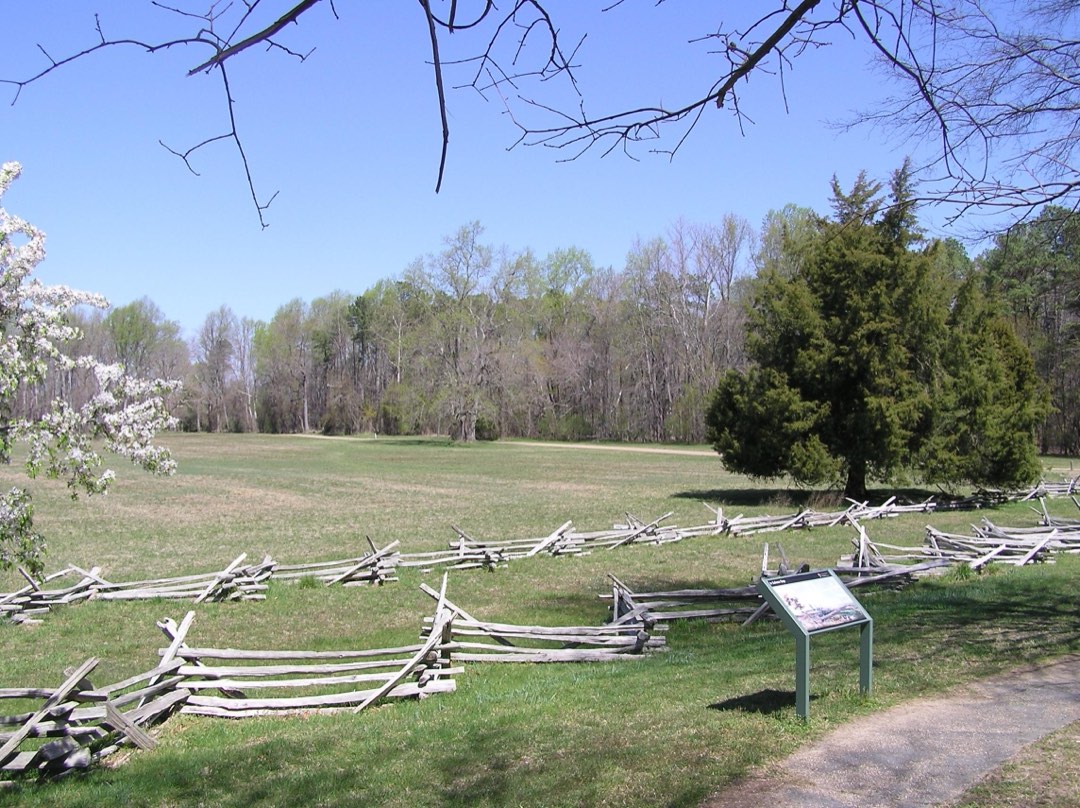
Best Time to Visit Colonial National Historical Park
FebruaryBest month to visit
Find places to stay →Our recommendation
Visit Colonial in February
February offers best overall balance of crowds, weather and daylight. For comparison, July is the most crowded month (~1.3× the average month) and February is the quietest.
Annual visits
1.6M
2025
Busiest month
Jul
1.3× avg
Quietest month
Feb
0.4× avg
10-yr trend
falling
-21.8%
More photos of Colonial
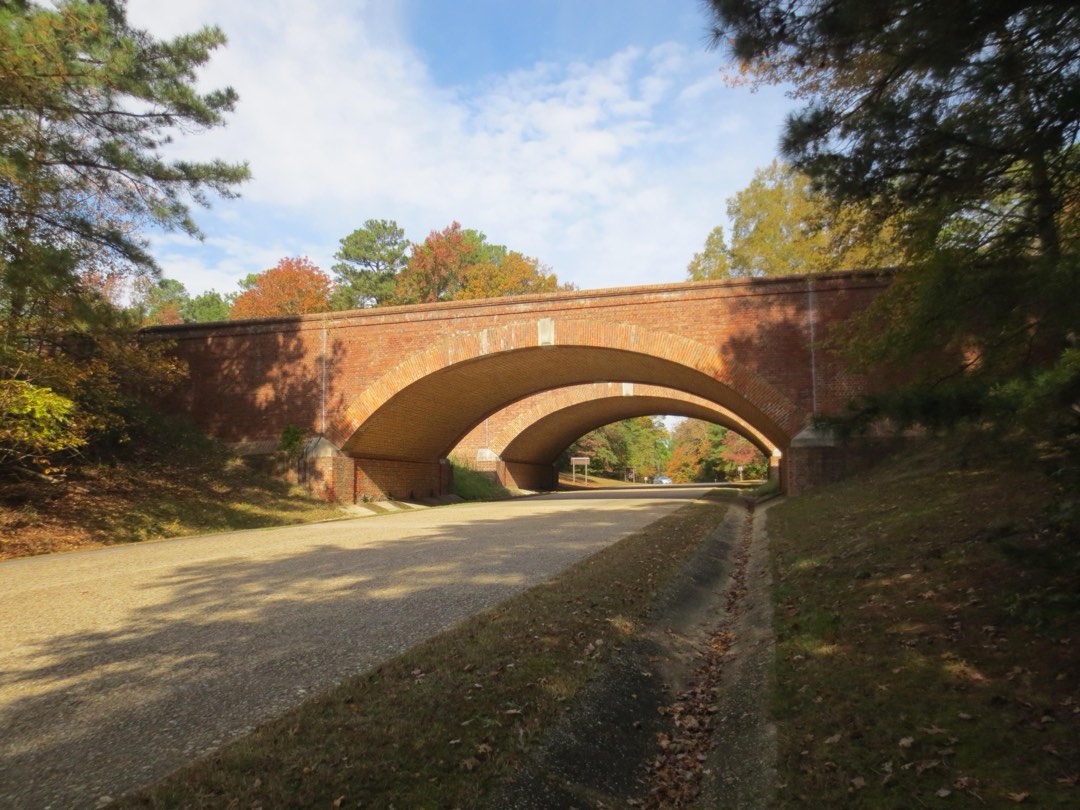
Photos courtesy of the National Park Service (public domain).
How crowded is Colonial by month?
Relative crowd level by month (1.0 = the park's average month), from NPS visitation records 1979–2025.
Month-by-month crowd, weather & daylight
| Month | Crowd level | Best-time score | Daylight |
|---|---|---|---|
| January | Quiet | 69 Good | 9.7 h |
| February★ best | Very quiet | 82 Excellent | 10.6 h |
| March | Average | 29 Poor | 11.7 h |
| April | Busy | 20 Poor | 13.0 h |
| May | Busy | 28 Poor | 14.0 h |
| June | Busy | 26 Poor | 14.5 h |
| July | Busy | 21 Poor | 14.3 h |
| August | Busy | 20 Poor | 13.4 h |
| September | Busy | 24 Poor | 12.2 h |
| October | Busy | 19 Poor | 11.0 h |
| November | Quiet | 56 Fair | 10.0 h |
| December | Quiet | 59 Fair | 9.4 h |
Email me when Colonial's crowd forecast updates
Get an email when new NPS visitation data changes the best time to visit Colonial or its month-by-month crowd levels. No spam, unsubscribe anytime.
About visiting Colonial
Colonial National Historical Park is a National Historical Park in VA and one of the busier parks in the system, drawing about 1.6 million recreation visits in 2025. Visitation has eased over the past decade, down about 21.8%. Crowds concentrate sharply by season: July is the busiest month at about 1.3× the park's average month, while February is the calmest at roughly 0.4× — a 3-to-1 swing between high and low season. Roughly 32% of the year's visitors arrive in the three summer months of June, July and August alone, so timing a trip outside that window is the single biggest lever on how crowded the park feels. If avoiding people matters most, February offers the thinnest crowds of the year, though you'll trade some warmth and daylight for the solitude. Daylight ranges from about 9.4 hours in midwinter to 14.5 hours near the summer solstice, which shapes how much ground you can cover in a day. A standard private-vehicle entrance pass runs about $15, valid for several days, so a shoulder-season trip stretches that fee across quieter, more comfortable days. These crowd figures are drawn from 1979–2025 of National Park Service visitor-use records, and are updated as new monthly data is released.
Park overview
On May 13, 1607, Jamestown was established as the first permanent English settlement in North America. Three cultures came together – European, Virginia Indian and African–to create a new society that would eventually seek independence from Great Britain. On October 19, 1781, American and French troops defeated the British at Yorktown in the last major battle of the American Revolutionary War.
Weather & conditions
During the summer season visitors should dress in light, comfortable clothing, wear comfortable shoes and use sunscreen. We recommended you carry a bottle of water with you. High temperatures and high humidity create higher risk of heat cramps, heat exhaustion and heatstroke. Most of the Historic site is out-of-doors and although not a great distance from an air-conditioned building, staying properly hydrated will help prevent these illnesses. During the fall visitors should have a light jacket available.
Park overview text courtesy of the National Park Service — official park site.
Where to stay near Colonial
Hotels, cabins, lodges and vacation rentals near Colonial National Historical Park — live availability and prices to plan your trip. February is our pick for the best balance of light crowds and good weather. Full lodging guide: when to book, gateway vs in-park, and the crowd calendar that drives room rates.
Top-rated places to stay near Colonial
Prices for Sep 11–13, 4 adults. Change dates on the map below.
Availability and prices from Stay22 partners (Booking.com, Vrbo, Expedia). We may earn a commission from bookings, at no extra cost to you.
Planning a trip to Colonial?
Get the best time to visit Colonial plus lodging deals near the park by email. No spam, unsubscribe anytime.
Getting to Colonial
The nearest airport is Newport News/Williamsburg International Airport (PHF), about 10 mi (17 min drive) away. Most visitors reach Colonial by car.
Entrance fees
A standard private-vehicle entrance pass is about $15, typically valid for several days.
Frequently Asked Questions
February offers best overall balance of crowds, weather and daylight at Colonial National Historical Park. The park is busiest in July (about 1.3× the average month) and quietest in February.
July is the busiest month at Colonial National Historical Park, running roughly 1.3 times the park's average monthly visitation.
February is the quietest month at Colonial National Historical Park, at about 0.4× the average month — a good choice if you want to avoid crowds.
Colonial National Historical Park recorded about 1,582,994 recreation visits in 2025. Visitation has been falling over the past decade (-21.8%).
Newport News/Williamsburg International Airport (PHF) is the closest airport to Colonial National Historical Park, about 10 mi (17 min drive) away.
Nearby parks to visit
Keep exploring
Water quality of lakes near Colonial
If you are planning to swim, paddle or fish on this trip, these graded lakes are within a 40-mile drive. Grades are A–F from EPA and state-agency sampling.
- Lee Hall Reservoir water qualityGrade A · 5 mi · VA
- Sta Lake water qualityGrade A · 7 mi · VA
- Little Creek Reserv Sta Lake water qualityGrade A · 15 mi · VA
- Waller Mill Reserv Sta Lake water qualityGrade B · 8 mi · VA
- Diascund Reservoir Off Dam water qualityGrade B · 21 mi · VA
Beach water quality near Colonial
Beaches within a 40-mile drive, graded on multi-year bacteria sampling from EPA BEACON — worth checking before you plan a swim day.
- Gloucester Point Beach water qualityGrade A · 7 mi · VA
- Salt Ponds water qualityGrade A · 22 mi · VA
- Buckroe North water qualityGrade A · 22 mi · VA
- Festival Beach water qualityGrade A · 25 mi · VA
- Captains Quarters water qualityGrade A · 26 mi · VA
Sources: National Park Service Visitor Use Statistics (1979–2025). Crowd index = a month's visits ÷ the park's average month.