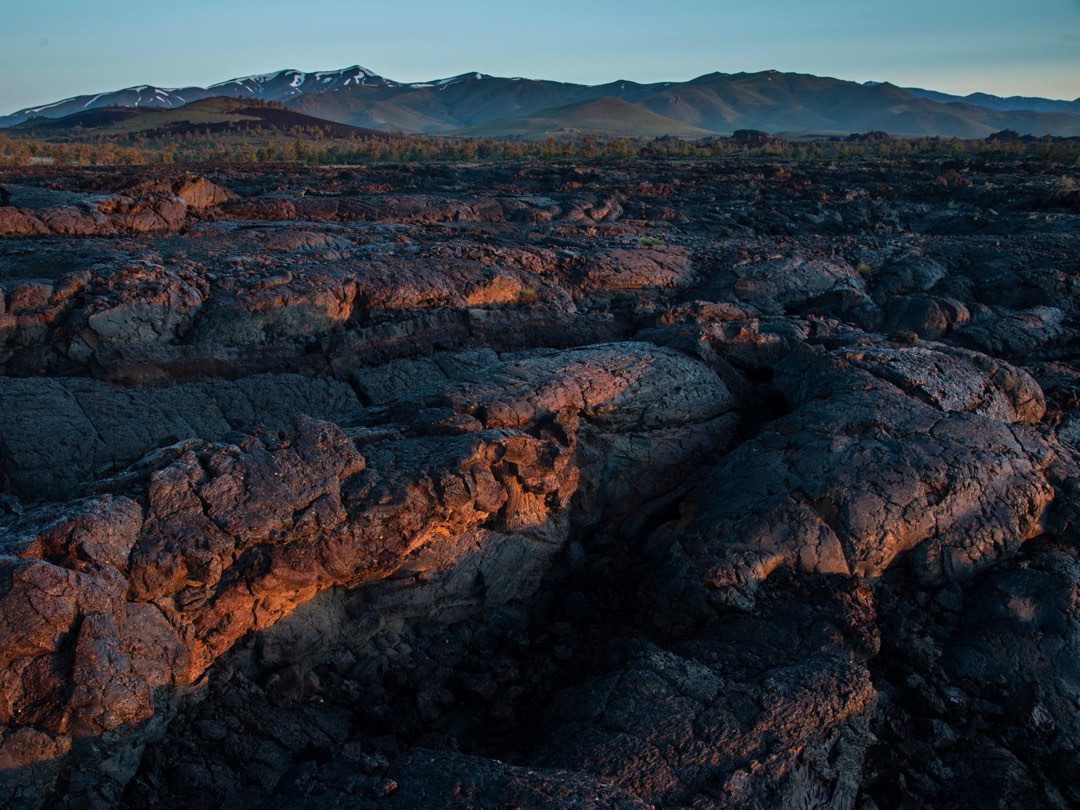
Best Time to Visit Craters Of The Moon National Monument & Preserve
AugustBest month to visit
Find places to stay →Our recommendation
Visit Craters Of The Moon in August
August offers best overall balance of crowds, weather and daylight. For comparison, July is the most crowded month (~2.3× the average month) and January is the quietest.
Annual visits
260K
2025
Busiest month
Jul
2.3× avg
Quietest month
Jan
0.1× avg
10-yr trend
steady
+1%
More photos of Craters Of The Moon
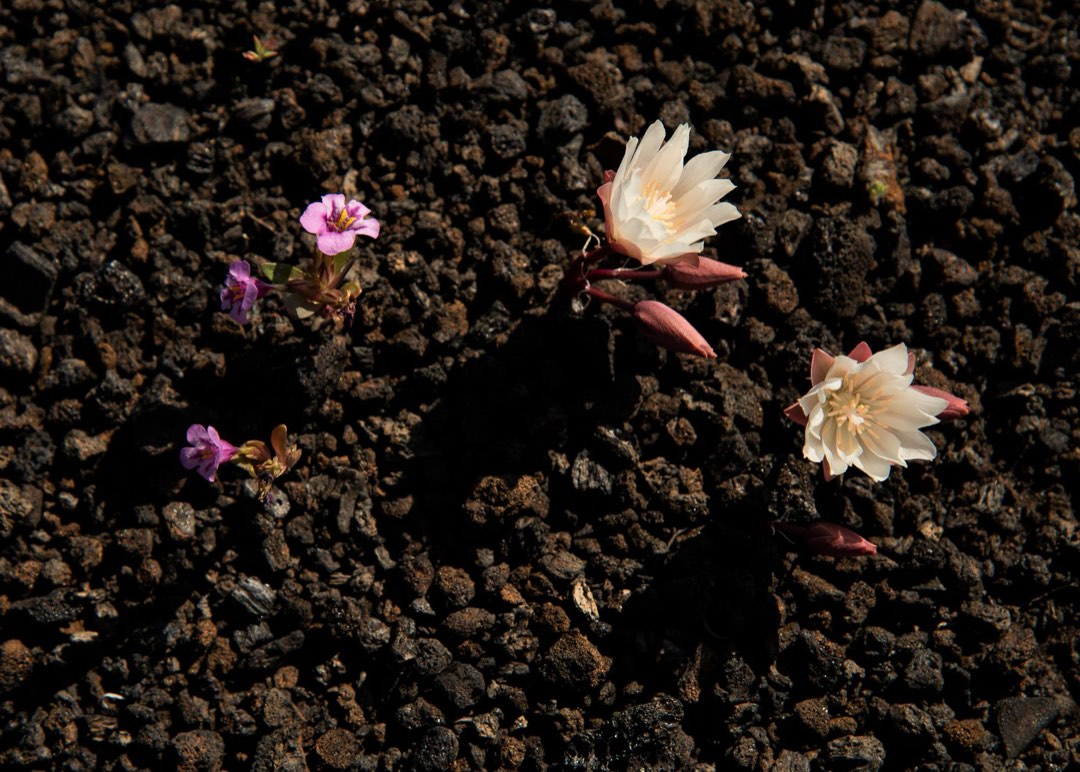
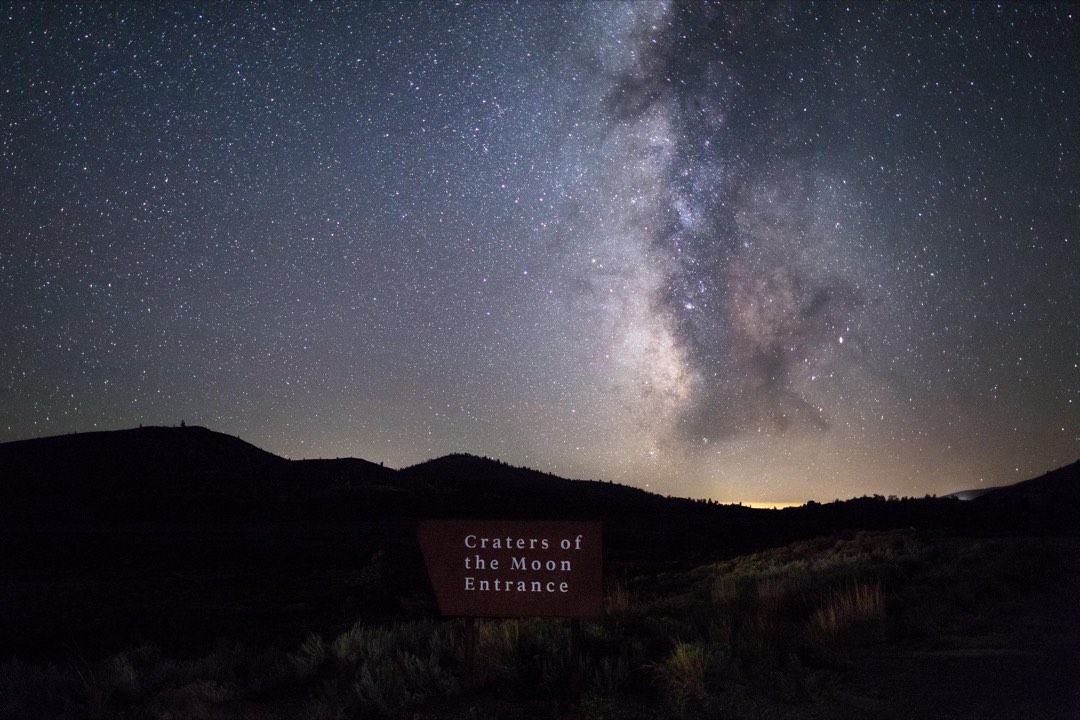
Photos courtesy of the National Park Service (public domain).
How crowded is Craters Of The Moon by month?
Relative crowd level by month (1.0 = the park's average month), from NPS visitation records 1979–2025.
Month-by-month crowd, weather & daylight
| Month | Crowd level | Best-time score | Avg high / low | Daylight |
|---|---|---|---|---|
| January | Very quiet | 42 Poor | 27°F / 13°F | 9.1 h |
| February | Very quiet | 42 Poor | 30°F / 15°F | 10.3 h |
| March | Very quiet | 44 Poor | 40°F / 23°F | 11.6 h |
| April | Quiet | 55 Fair | 51°F / 31°F | 13.2 h |
| May | Busy | 56 Fair | 62°F / 40°F | 14.5 h |
| June | Very busy | 51 Fair | 72°F / 46°F | 15.2 h |
| July | Very busy | 56 Fair | 83°F / 56°F | 14.9 h |
| August★ best | Very busy | 60 Good | 82°F / 54°F | 13.8 h |
| September | Very busy | 47 Fair | 71°F / 45°F | 12.3 h |
| October | Average | 47 Fair | 56°F / 34°F | 10.8 h |
| November | Very quiet | 41 Poor | 39°F / 22°F | 9.5 h |
| December | Very quiet | 41 Poor | 27°F / 14°F | 8.8 h |
Climate normals (1991–2020) from the nearest NOAA station (USW00004126, ~18.3 mi away).
Email me when Craters Of The Moon's crowd forecast updates
Get an email when new NPS visitation data changes the best time to visit Craters Of The Moon or its month-by-month crowd levels. No spam, unsubscribe anytime.
About visiting Craters Of The Moon
Craters Of The Moon National Monument & Preserve is a National Monument & Preserve in ID and a relatively quiet park, drawing about 260,000 recreation visits in 2025. Visitation has held fairly steady over the past decade. Crowds concentrate sharply by season: July is the busiest month at about 2.3× the park's average month, while January is the calmest at roughly 0.1× — a 21-to-1 swing between high and low season. Roughly 53% of the year's visitors arrive in the three summer months of June, July and August alone, so timing a trip outside that window is the single biggest lever on how crowded the park feels. Weather swings from an average high-season warmth near 70°F in July down to about 20°F in January, with the wettest stretch in January. About 5 months a year see comfortable average temperatures in the 50–80°F range, which is part of why crowd timing and weather timing don't always line up. The sweet spot is August: best overall balance of crowds, weather and daylight. Visit then and you trade a little peak-season certainty for noticeably shorter lines and easier parking than the July rush. Daylight ranges from about 8.8 hours in midwinter to 15.2 hours near the summer solstice, which shapes how much ground you can cover in a day. A standard private-vehicle entrance pass runs about $20, valid for several days, so a shoulder-season trip stretches that fee across quieter, more comfortable days. These crowd figures are drawn from 1979–2025 of National Park Service visitor-use records, paired with 1991–2020 NOAA climate normals, and are updated as new monthly data is released.
Park overview
Craters of the Moon is a vast ocean of lava flows with scattered islands of cinder cones and sagebrush. We invite you to explore this "weird and scenic landscape" where yesterday's volcanic events are likely to continue tomorrow.
Weather & conditions
Weather at Craters of the Moon is characterized by hot summers and cold winters. In February, average snow depth ranges from 26 inches at the north end of the monument to just 2 inches at the south end. Intense summer sun bakes the black lava, generating surface temperatures of 170°F and air temperatures in the 90s. Drying winds are a daily occurrence, especially in the afternoon, and may reach 15 to 30 miles per hour.
Park overview text courtesy of the National Park Service — official park site.
Where to stay near Craters Of The Moon
Hotels, cabins, lodges and vacation rentals near Craters Of The Moon National Monument & Preserve — live availability and prices to plan your trip. August is our pick for the best balance of light crowds and good weather. Full lodging guide: when to book, gateway vs in-park, and the crowd calendar that drives room rates.
Top-rated places to stay near Craters Of The Moon
Prices for Sep 11–13, 4 adults. Change dates on the map below.
Availability and prices from Stay22 partners (Booking.com, Vrbo, Expedia). We may earn a commission from bookings, at no extra cost to you.
Planning a trip to Craters Of The Moon?
Get the best time to visit Craters Of The Moon plus lodging deals near the park by email. No spam, unsubscribe anytime.
Getting to Craters Of The Moon
The nearest airport is Idaho Falls Regional Airport (IDA), about 138 mi (8 hr 32 min drive) away. Most visitors reach Craters Of The Moon by car.
Entrance fees
A standard private-vehicle entrance pass is about $20, typically valid for several days.
Frequently Asked Questions
August offers best overall balance of crowds, weather and daylight at Craters Of The Moon National Monument & Preserve. The park is busiest in July (about 2.3× the average month) and quietest in January.
July is the busiest month at Craters Of The Moon National Monument & Preserve, running roughly 2.3 times the park's average monthly visitation.
January is the quietest month at Craters Of The Moon National Monument & Preserve, at about 0.1× the average month — a good choice if you want to avoid crowds.
Craters Of The Moon National Monument & Preserve recorded about 260,418 recreation visits in 2025. Visitation has been steady over the past decade (+1%).
Based on 1991–2020 climate normals, the warmest month at Craters Of The Moon National Monument & Preserve averages about 70°F (July). See the month-by-month table above for the full picture.
Idaho Falls Regional Airport (IDA) is the closest airport to Craters Of The Moon National Monument & Preserve, about 138 mi (8 hr 32 min drive) away.
Nearby parks to visit
Keep exploring
Water quality of lakes near Craters Of The Moon
If you are planning to swim, paddle or fish on this trip, these graded lakes are within a 40-mile drive. Grades are A–F from EPA and state-agency sampling.
- Lake Walcott water qualityGrade D · 37 mi · ID
- Lava Lake water qualityGrade — · 17 mi · ID
- Huff Lake water qualityGrade — · 20 mi · ID
- Fish Creek Reservoir water qualityGrade — · 23 mi · ID
- Nichols Reservoir water qualityGrade — · 26 mi · ID
Sources: National Park Service Visitor Use Statistics (1979–2025), NOAA NCEI U.S. Climate Normals 1991–2020. Crowd index = a month's visits ÷ the park's average month.