Best Time to Visit Fort Pulaski National Monument
JanuaryBest month to visit
Find places to stay →Our recommendation
Visit Fort Pulaski in January
January offers best overall balance of crowds, weather and daylight. For comparison, July is the most crowded month (~1.2× the average month) and January is the quietest.
Annual visits
357K
2024
Busiest month
Jul
1.2× avg
Quietest month
Jan
0.8× avg
10-yr trend
rising
+9.1%
More photos of Fort Pulaski
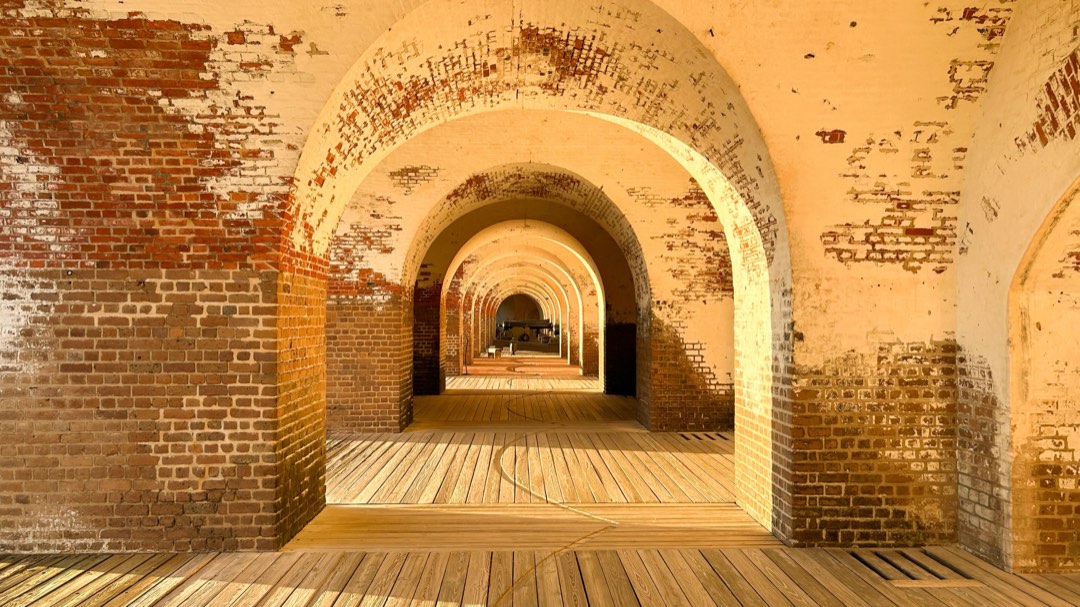
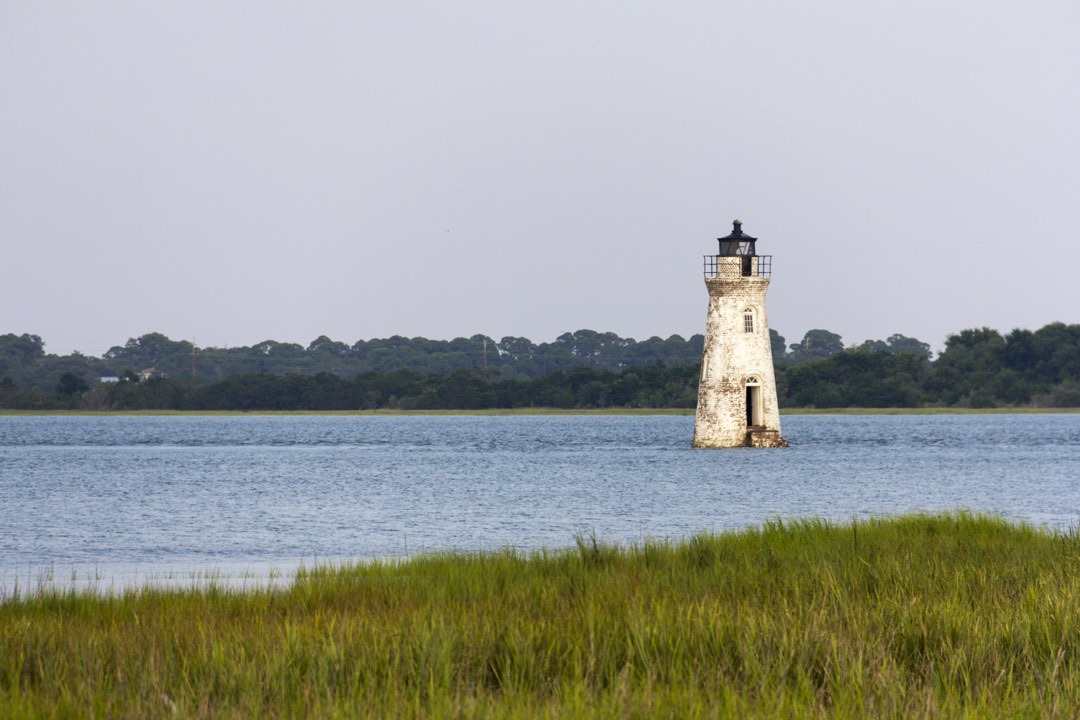
Photos courtesy of the National Park Service (public domain).
How crowded is Fort Pulaski by month?
Relative crowd level by month (1.0 = the park's average month), from NPS visitation records 1979–2025.
Month-by-month crowd, weather & daylight
| Month | Crowd level | Best-time score | Daylight |
|---|---|---|---|
| January★ best | Quiet | 80 Excellent | 10.1 h |
| February | Average | 52 Fair | 10.9 h |
| March | Busy | 21 Poor | 11.8 h |
| April | Busy | 20 Poor | 12.8 h |
| May | Busy | 22 Poor | 13.6 h |
| June | Average | 36 Poor | 14.1 h |
| July | Busy | 20 Poor | 13.9 h |
| August | Average | 62 Good | 13.2 h |
| September | Quiet | 80 Excellent | 12.2 h |
| October | Average | 57 Fair | 11.2 h |
| November | Average | 64 Good | 10.3 h |
| December | Quiet | 76 Excellent | 9.9 h |
Email me when Fort Pulaski's crowd forecast updates
Get an email when new NPS visitation data changes the best time to visit Fort Pulaski or its month-by-month crowd levels. No spam, unsubscribe anytime.
About visiting Fort Pulaski
Fort Pulaski National Monument is a National Monument in GA and a relatively quiet park, drawing about 357,000 recreation visits in 2024. Visitation has climbed over the past decade, up roughly 9.1%, so crowds are trending heavier each year. Crowds concentrate sharply by season: July is the busiest month at about 1.2× the park's average month, while January is the calmest at roughly 0.8× — a 2-to-1 swing between high and low season. Roughly 27% of the year's visitors arrive in the three summer months of June, July and August alone, so timing a trip outside that window is the single biggest lever on how crowded the park feels. If avoiding people matters most, January offers the thinnest crowds of the year, though you'll trade some warmth and daylight for the solitude. Daylight ranges from about 9.9 hours in midwinter to 14.1 hours near the summer solstice, which shapes how much ground you can cover in a day. A standard private-vehicle entrance pass runs about $10, valid for several days, so a shoulder-season trip stretches that fee across quieter, more comfortable days. These crowd figures are drawn from 1979–2025 of National Park Service visitor-use records, and are updated as new monthly data is released.
Park overview
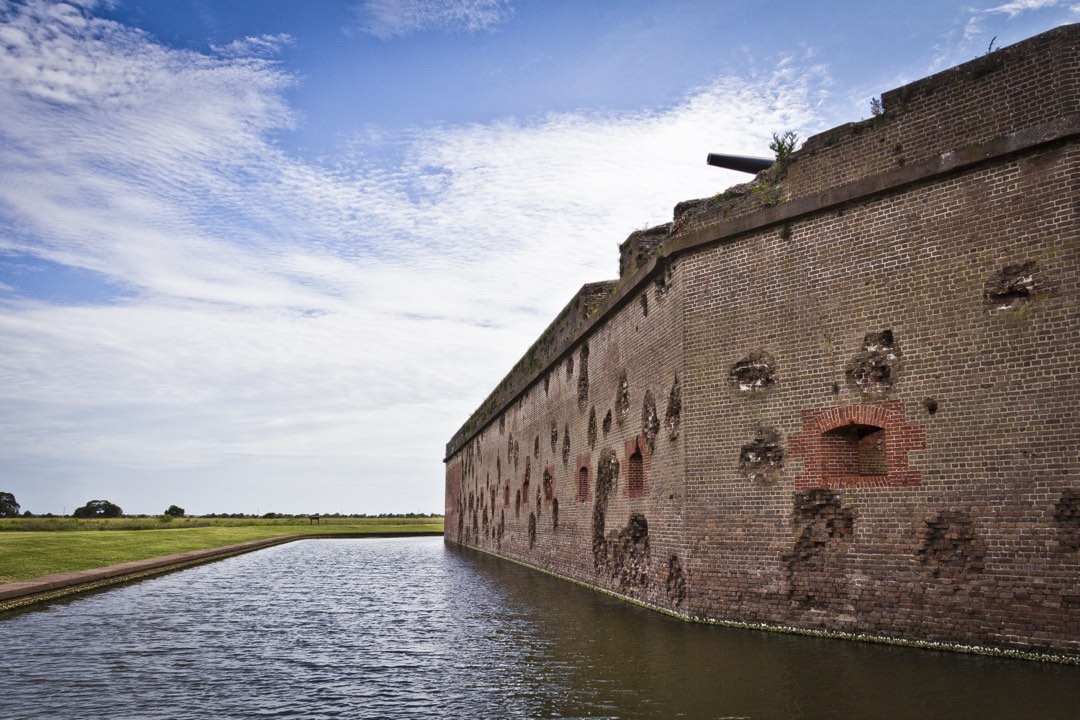
For much of the 19th century, masonry fortifications were the United States’ main defense against overseas enemies. However, during the Civil War, new technology proved its superiority over these forts. Using rifled cannons, the U.S. Army compelled the Confederate garrison inside Fort Pulaski to surrender. The siege was a landmark experiment in the history of military science and invention.
Weather & conditions
Savannah has a humid sub tropical climate with over two hundred days of sunshine each year. Summers are typically hot, bright and humid with afternoon thunderstorms common. Temperatures often range from the lower 70s to the mid 90s F. Spring and autumn can be quite pleasant with temperatures ranging from the upper 50s into the 80s F. The winter months are usually dry. Temperatures can be cooler than one would expect, ranging from the upper 30s through the 60s F generally, though sudden cold snaps can occur.
Park overview text courtesy of the National Park Service — official park site.
Where to stay near Fort Pulaski
Hotels, cabins, lodges and vacation rentals near Fort Pulaski National Monument — live availability and prices to plan your trip. January is our pick for the best balance of light crowds and good weather. Full lodging guide: when to book, gateway vs in-park, and the crowd calendar that drives room rates.
Top-rated places to stay near Fort Pulaski
Prices for Sep 11–13, 4 adults. Change dates on the map below.
Availability and prices from Stay22 partners (Booking.com, Vrbo, Expedia). We may earn a commission from bookings, at no extra cost to you.
Planning a trip to Fort Pulaski?
Get the best time to visit Fort Pulaski plus lodging deals near the park by email. No spam, unsubscribe anytime.
Getting to Fort Pulaski
The nearest airport is Savannah/Hilton Head Airport (SAV), about 21 mi (37 min drive) away. Most visitors reach Fort Pulaski by car.
Entrance fees
A standard private-vehicle entrance pass is about $10, typically valid for several days.
Frequently Asked Questions
January offers best overall balance of crowds, weather and daylight at Fort Pulaski National Monument. The park is busiest in July (about 1.2× the average month) and quietest in January.
July is the busiest month at Fort Pulaski National Monument, running roughly 1.2 times the park's average monthly visitation.
January is the quietest month at Fort Pulaski National Monument, at about 0.8× the average month — a good choice if you want to avoid crowds.
Fort Pulaski National Monument recorded about 356,993 recreation visits in 2024. Visitation has been rising over the past decade (+9.1%).
Savannah/Hilton Head Airport (SAV) is the closest airport to Fort Pulaski National Monument, about 21 mi (37 min drive) away.
Nearby parks to visit
Keep exploring
Water quality of lakes near Fort Pulaski
If you are planning to swim, paddle or fish on this trip, these graded lakes are within a 40-mile drive. Grades are A–F from EPA and state-agency sampling.
- Lake Mayer water qualityGrade — · 9 mi · GA
- Forest City Gun Club Lake water qualityGrade — · 10 mi · GA
- Zeigler Pond water qualityGrade — · 25 mi · GA
- Upper Lake George water qualityGrade — · 29 mi · GA
- Haarley Lake water qualityGrade — · 34 mi · GA
Beach water quality near Fort Pulaski
Beaches within a 40-mile drive, graded on multi-year bacteria sampling from EPA BEACON — worth checking before you plan a swim day.
- Tybee Island Strand water qualityGrade A · 6 mi · GA
- Tybee Island North water qualityGrade A · 6 mi · GA
- Hilton Head Island water qualityGrade A · 18 mi · SC
- Bradley (Ossabaw) water qualityGrade A · 19 mi · GA
- South Ossabaw water qualityGrade A · 23 mi · GA
Sources: National Park Service Visitor Use Statistics (1979–2025). Crowd index = a month's visits ÷ the park's average month.