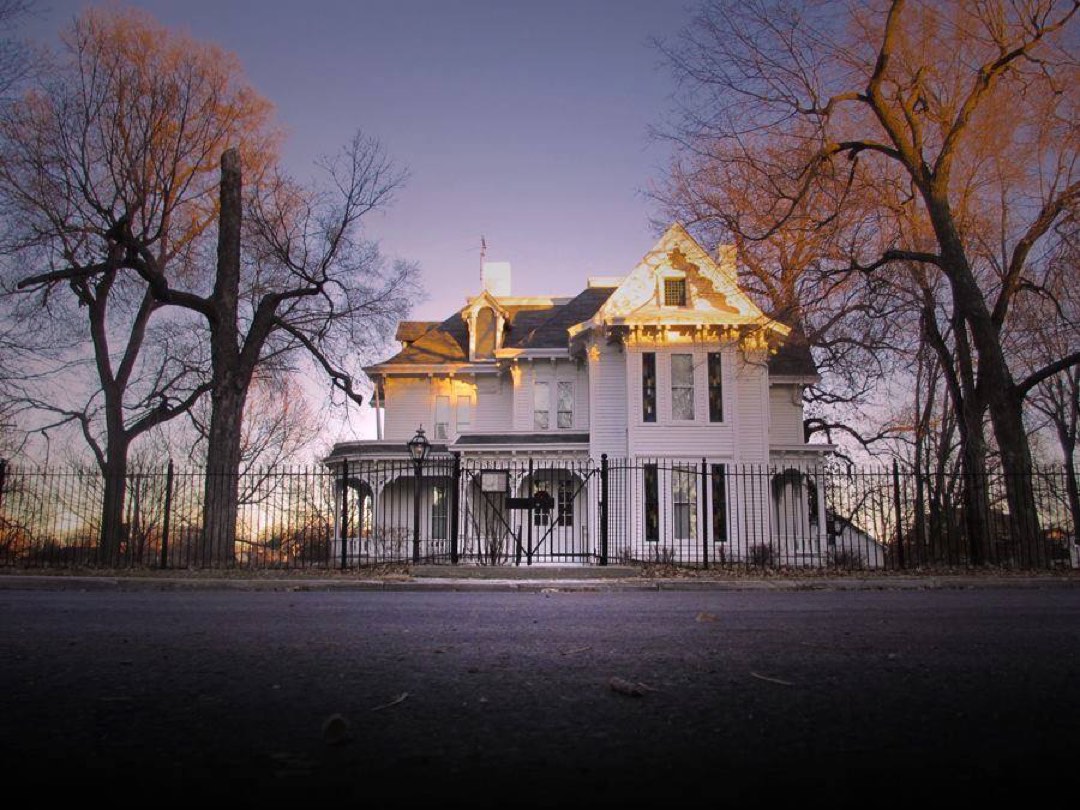
Best Time to Visit Harry S Truman National Historic Site
JanuaryBest month to visit
Find places to stay →Our recommendation
Visit Harry S Truman in January
January offers best overall balance of crowds, weather and daylight. For comparison, July is the most crowded month (~1.8× the average month) and January is the quietest.
Annual visits
19K
2025
Busiest month
Jul
1.8× avg
Quietest month
Jan
0.3× avg
10-yr trend
falling
-32.5%
More photos of Harry S Truman
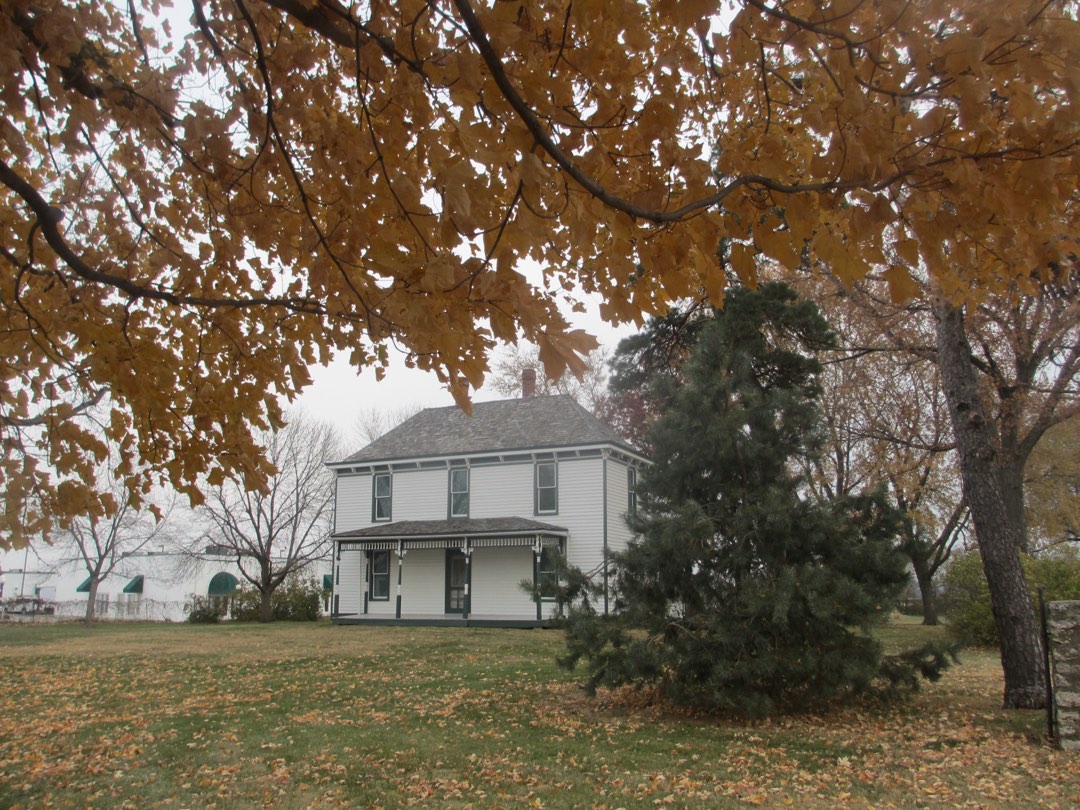
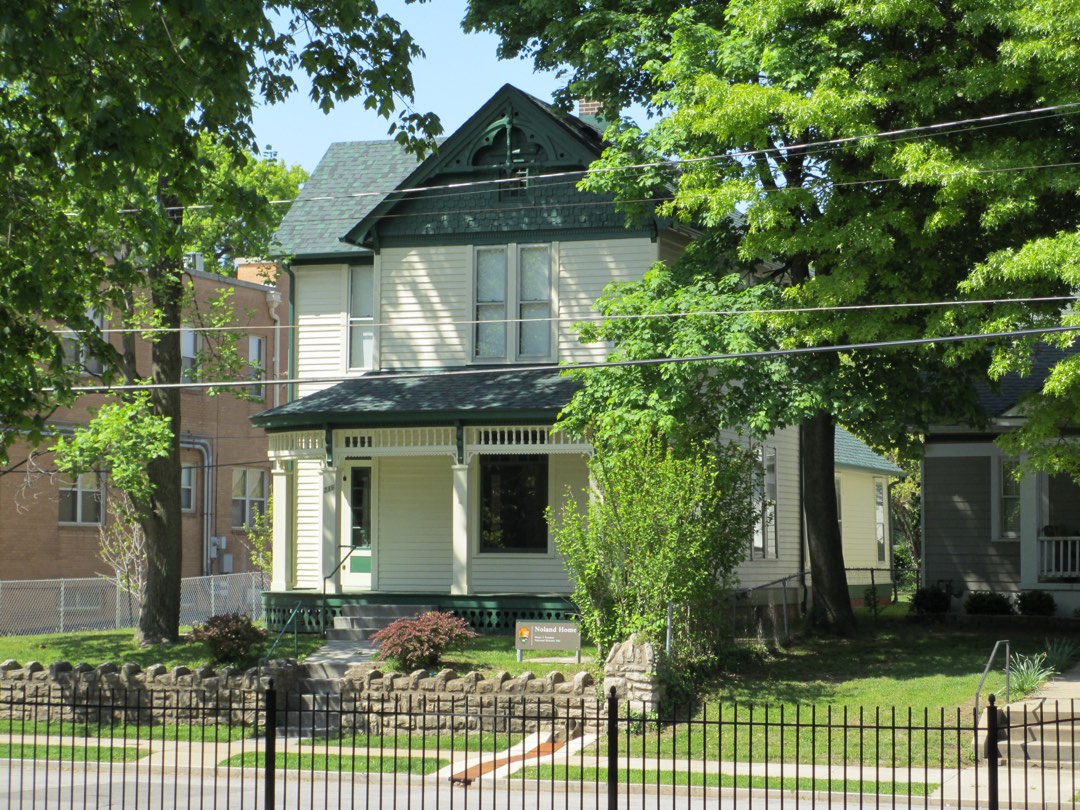
Photos courtesy of the National Park Service (public domain).
How crowded is Harry S Truman by month?
Relative crowd level by month (1.0 = the park's average month), from NPS visitation records 1984–2025.
Month-by-month crowd, weather & daylight
| Month | Crowd level | Best-time score | Daylight |
|---|---|---|---|
| January★ best | Very quiet | 78 Excellent | 9.6 h |
| February | Very quiet | 77 Excellent | 10.5 h |
| March | Quiet | 58 Fair | 11.7 h |
| April | Average | 60 Good | 13.0 h |
| May | Busy | 45 Fair | 14.1 h |
| June | Busy | 38 Poor | 14.7 h |
| July | Very busy | 22 Poor | 14.5 h |
| August | Busy | 28 Poor | 13.5 h |
| September | Busy | 40 Poor | 12.2 h |
| October | Busy | 40 Poor | 11.0 h |
| November | Quiet | 61 Good | 9.8 h |
| December | Very quiet | 72 Good | 9.3 h |
Email me when Harry S Truman's crowd forecast updates
Get an email when new NPS visitation data changes the best time to visit Harry S Truman or its month-by-month crowd levels. No spam, unsubscribe anytime.
About visiting Harry S Truman
Harry S Truman National Historic Site is a National Historic Site in MO and one of the system's hidden, low-traffic units, drawing about 19,000 recreation visits in 2025. Visitation has eased over the past decade, down about 32.5%. Crowds concentrate sharply by season: July is the busiest month at about 1.8× the park's average month, while January is the calmest at roughly 0.3× — a 6-to-1 swing between high and low season. Roughly 41% of the year's visitors arrive in the three summer months of June, July and August alone, so timing a trip outside that window is the single biggest lever on how crowded the park feels. If avoiding people matters most, January offers the thinnest crowds of the year, though you'll trade some warmth and daylight for the solitude. Daylight ranges from about 9.3 hours in midwinter to 14.7 hours near the summer solstice, which shapes how much ground you can cover in a day. These crowd figures are drawn from 1984–2025 of National Park Service visitor-use records, and are updated as new monthly data is released.
Park overview
President Harry S Truman took America from its traditional isolationism into the age of international involvement. Despite his power, he never forgot where he came from. Today, visitors can experience the surroundings Truman knew as a young man of modest ambition through his political career and final years as a former president.
Weather & conditions
Located on the western edge of Missouri, the park enjoys each of the four seasons. Early spring brings frequent and rapid fluctuations in weather. The summer season has warm days, periods of high heat and humidity, and mild nights. The fall season is normally mild with sunny days and cool nights. Winters can be cold. The January low averages 21 degrees. The area receives a yearly average of 37 inches of rain per year and around 18 inches of snow. Our zip code is 64050 if you wish to go to www.weather.gov
Park overview text courtesy of the National Park Service — official park site.
Where to stay near Harry S Truman
Hotels, cabins, lodges and vacation rentals near Harry S Truman National Historic Site — live availability and prices to plan your trip. January is our pick for the best balance of light crowds and good weather. Full lodging guide: when to book, gateway vs in-park, and the crowd calendar that drives room rates.
Top-rated places to stay near Harry S Truman
Prices for Sep 11–13, 4 adults. Change dates on the map below.
Availability and prices from Stay22 partners (Booking.com, Vrbo, Expedia). We may earn a commission from bookings, at no extra cost to you.
Planning a trip to Harry S Truman?
Get the best time to visit Harry S Truman plus lodging deals near the park by email. No spam, unsubscribe anytime.
Getting to Harry S Truman
The nearest airport is Kansas City International Airport (MCI), about 33 mi (49 min drive) away. Most visitors reach Harry S Truman by car.
Frequently Asked Questions
January offers best overall balance of crowds, weather and daylight at Harry S Truman National Historic Site. The park is busiest in July (about 1.8× the average month) and quietest in January.
July is the busiest month at Harry S Truman National Historic Site, running roughly 1.8 times the park's average monthly visitation.
January is the quietest month at Harry S Truman National Historic Site, at about 0.3× the average month — a good choice if you want to avoid crowds.
Harry S Truman National Historic Site recorded about 19,296 recreation visits in 2025. Visitation has been falling over the past decade (-32.5%).
Kansas City International Airport (MCI) is the closest airport to Harry S Truman National Historic Site, about 33 mi (49 min drive) away.
Nearby parks to visit
Keep exploring
Water quality of lakes near Harry S Truman
If you are planning to swim, paddle or fish on this trip, these graded lakes are within a 40-mile drive. Grades are A–F from EPA and state-agency sampling.
- Rock Lake Village Lake water qualityGrade A · 24 mi · MO
- Douglas Co State Fishing Lake water qualityGrade A · 36 mi · KS
- Jacomo Lake water qualityGrade B · 12 mi · MO
- Lotawana Lake water qualityGrade B · 14 mi · MO
- New Olathe Lake water qualityGrade B · 20 mi · KS
Sources: National Park Service Visitor Use Statistics (1984–2025). Crowd index = a month's visits ÷ the park's average month.